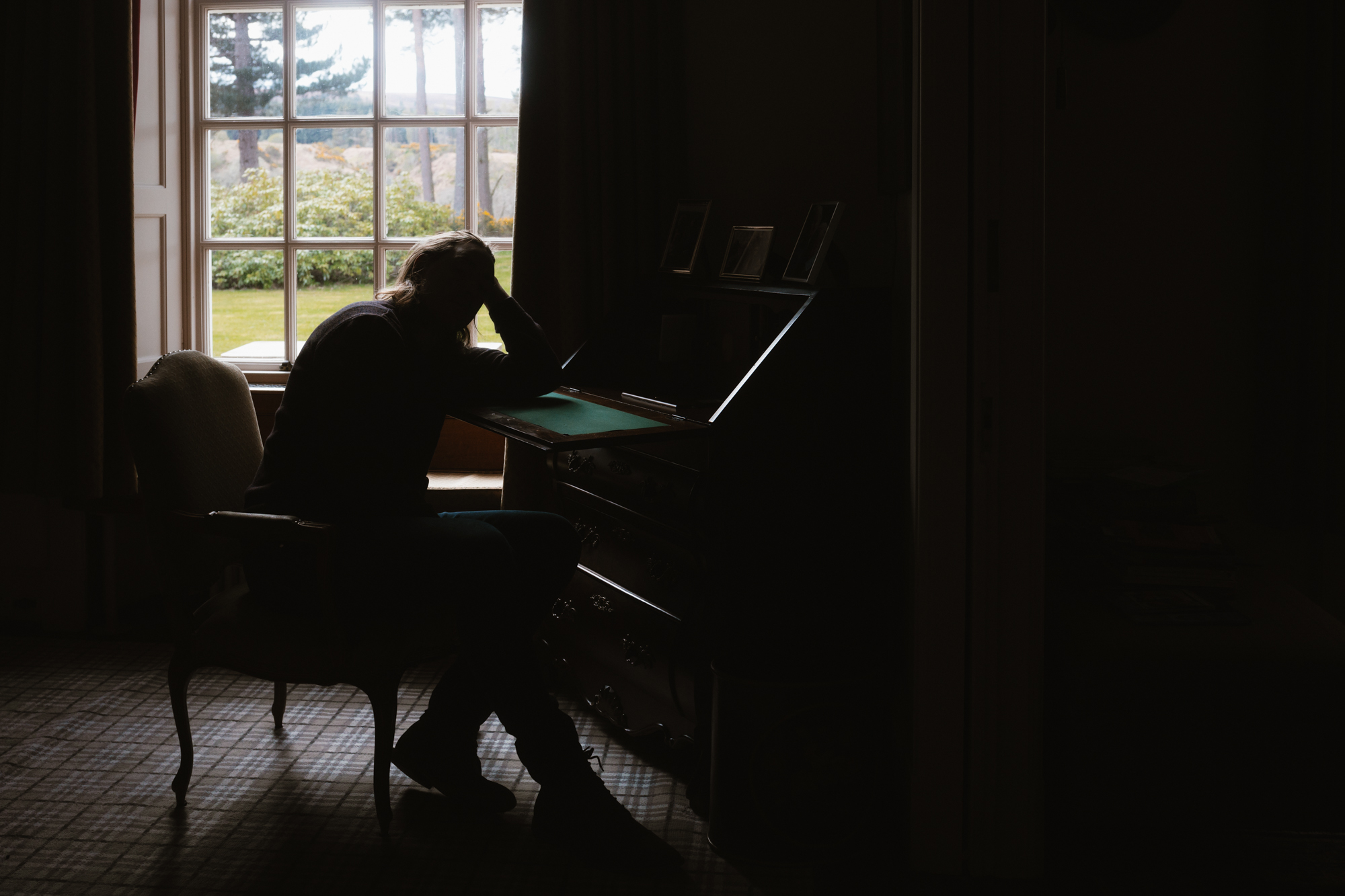
May 10, 2025
|
Uncategorised
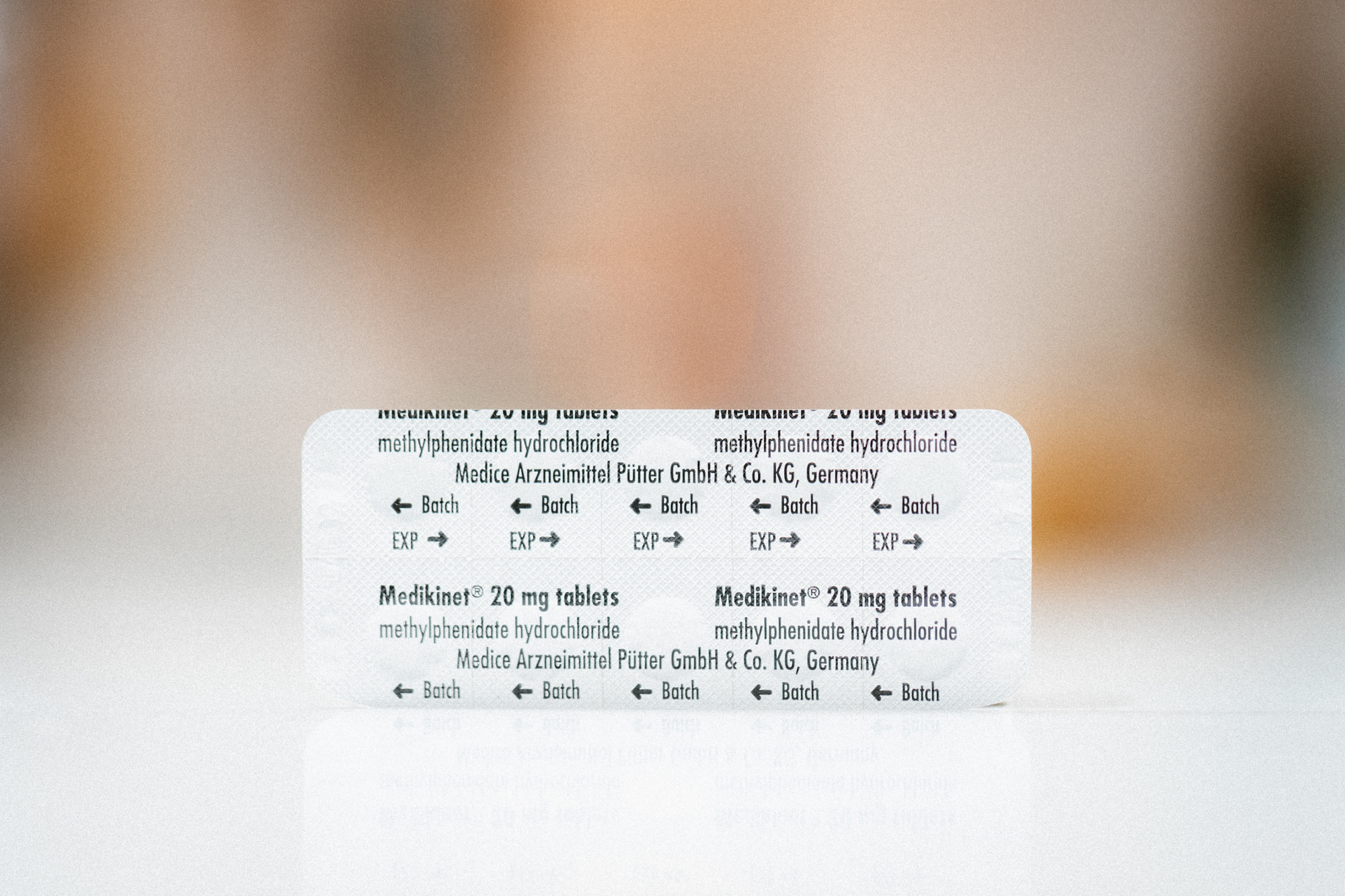
For the past four weeks I have been taking the ADHD medication, Methylphenidate. This was a crucial aspect to my seeking diagnosis for ADHD as an adult. Originally, I thought the relief of confirmation would be enough for me, after all, I’d managed 30+ years without medical intervention. Evidently, I was one of those less impinged by the symptoms of neurodiversity, or, at least, I’d managed to make my ADHD work within society. If only. In my 30’s I began to notice myself succumbing to certain short-falls that felt too closely related to the traits of ADHD – not quirks of a different way of living, but mistakes that could’ve been avoided if my impulse control were better, my emotional regulation more regulated. I became interested in seeing the difference medication could offer. I opted for a quick release variant, knowing that stimulation medication can be taken and felt within as little as 30-minutes and out of the system within 24 hours. As far as mind-altering medication goes, it’s very low stakes and safe. I figured that for me and my lifestyle, a little boost of concentration during the working day was sufficient to keep me on track and then I could be ‘free-range’ in the evenings.
New meds, who dis?
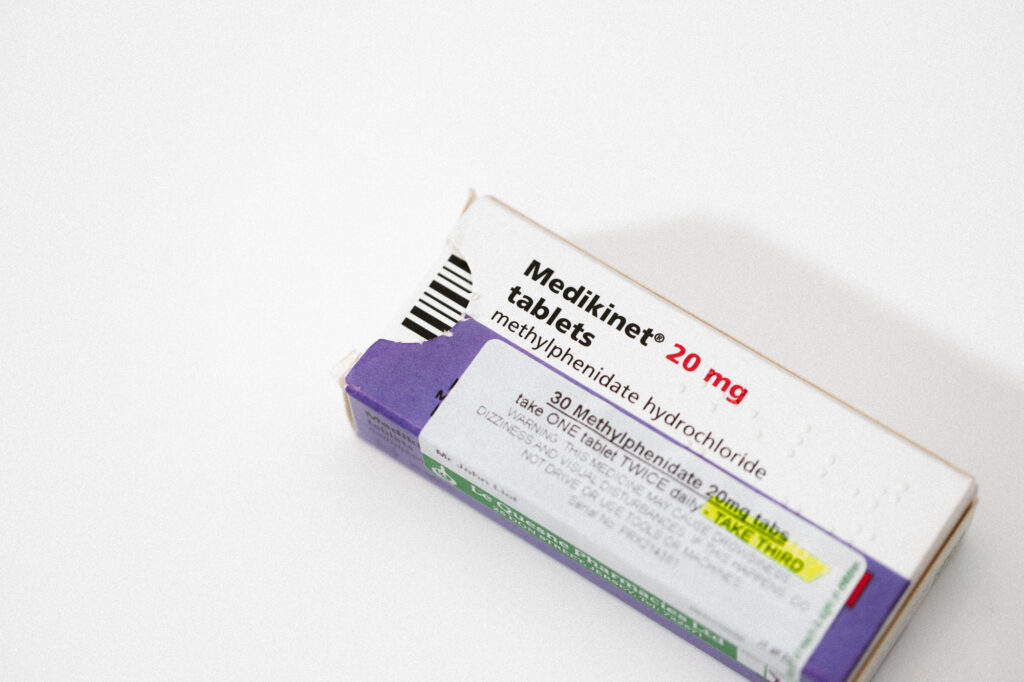
The nature of beginning this new medication regime meant working my way up to an optimal dose. I started at 5mg tablets twice a day for a week, doubling to 10mg the following week, hoping to find an ideal comfort with 20mg twice a day the week after and onwards. The fortnight of 5mg and 10mg didn’t seem to provide much of a noticeable difference. Essentially, other than one profound side-effect, I’d had a pretty normal two weeks where I often forgot I was on any medication at all.
The 3rd of March, 2025, was the start of 20mg tablets twice a day.
The difference of this new dosage was intense.
For this process of trialing medication I have kept a casual ‘ADHD Diary’ on my Instagram (@johnliot). I’ve commented on how, aside from suppressed appetite, I haven’t really felt much difference from taking the meds across the 5mg and 10mg weeks. Despite the increase of dose to 20mg, the idea I had improved “focus” remains unconvincing. That I can feel the meds, however, is undeniable.
Across Monday and Tuesday, especially after taking the first dose in the morning, I felt myself “come up”. My palms got sweaty, heart rate more pronounced, a fuzzy exterior to my sense of self. My legs felt really sensitive, a bit like they were hollow, comparable to when you’re experiencing adrenaline. In some ways I felt, as Pink Floyd once penned, comfortably numb. Truth be told, I felt like I was doing something I shouldn’t – like I’d arrived to work after a quick swig of something in the carpark. My experience of reality had changed and I felt a little ungrounded – the absurdity of the space I was experiencing this in making it feel even more surreal. I had to remind myself a couple of times at its most intense, “I’m not doing anything wrong, an actual medical professional gave me these pills and told me to take them”.
That first couple days on 20mg, I noticed myself become excited, near gleeful, about very mundane things. Even just sitting in a meeting or doing admin was eliciting a sense of joy. Again, I don’t know if I was more able to concentrate, though my enjoyment of doing tasks had improved considerably. I also wasn’t avoiding tasks that may have usually cultivated such a response, too. Perhaps there is simply enjoyment within healthy, sustained concentration? Certainly, my experience of hyper-fixation would corroborate that in the extreme. Away from that though, my ‘reward’ dopamine is often barricaded behind walls of procrastination, or from having to produce something tangible and impressive. Here, perhaps for the first time, I was enjoying the process of just ‘doing’ the simple things. Instead of having a mind full of other tasks that wanted attention, I was now able to just give presence to the task at hand, and that felt nice. Perhaps I needed to redefine what ‘focus’ really meant.
I noticed on Tuesday, heading home before going to college in the evening, that I was cresting the “high”. I caught myself experiencing thoughts of “I don’t want this to end! I feel great!” – the building anxiety when anticipating a comedown. I felt a strong desire to maintain the feeling, not wanting it to be over. Thankfully, the comedown effects of methylphenidate that I’ve experienced are very subtle, and it doesn’t feel uncomfortable to transition from “on” meds to “off”. Still, that I even had those thoughts of sustaining the moment did concern me. I don’t want to become addicted to how the meds make me feel, especially if they’re not demonstrably improving my life for their original purpose and I’m just altering my sense of being in a way no different to being a bit drunk.
Wednesday came, I took my morning dose. Strangely, the heightened effects were nowhere to be felt. It was wild. I woke up that morning feeling genuinely excited about taking my meds; to experience this noticeable physiological change, to ‘come up’. Maybe that expectation impacted how they landed, yet Thursday and Friday repeated the script Wednesday laid out. I noticed slight differences, sweaty palms being a consistent sign of the meds at work. The fun “high” was now consistently absent, though. The feeling of ‘coming up’ was much more muted.
Thought for Food
As an unexpected consequence of methylphenidate, my lifelong relationship with food shifted dramatically. I was warned to anticipate a loss of appetite but I hadn’t considered how this could manifest.
I’ve struggled with binging on sweets for most of my life. My ability to control intake quantity was defined simply by whether there was anything left to eat, rather than an appetite being fulfilled. Eating that which is best enjoyed in small quantities as if I were at a Roman feast and aiming to show appreciation to my host (me) by making myself feel quite sick. I haven’t enjoyed this behavioural and emotionally-based eating for years. I have tried to reduce it, though its so difficult when you feel your body screaming for its fix. On the ADHD meds, that screaming became totally silent. Not muted. Gone.
I haven’t had less than three sugary or chocolate-based things a day in years. Hot chocolates, biscuits, cake, chocolate bars, whatever. If it’s after a meal, it’s chocolate. If it’s a midday pick up, it’s chocolate. A lazy Sunday inside doing nothing? Why not combine it with a bowl of Maltesers? But whilst there’s nothing wrong with consuming chocolate, I’m plenty capable of being accountable to the amount I consume, especially with respect to what is also missing from my diet. These meds eliminating the urge to eat chocolate, and then receiving the positive endorphins of feeling good about myself for not eating it in the first place, were huge. I am not trying to stop eating sugary things outright, but to feel like I have more control over the impulse to do so. For years my consumption has been based on emotional wants, where the feeling after is most often one of emptiness, guilt, sickness, and shame. I want to consume food because I enjoy it and the feeling afterwards being contentment; of doing right by my body’s needs. Surprisingly, ADHD medication has allowed me to feel a sense of control and a powerful feeling of disinterest to a negative habit, one that has largely felt unconquerable. Imagine an alcoholic going from ‘I can resist the urge to drink’ to ‘I don’t need to resist anything, I don’t have any interest in touching it’. I have never felt so excited about not caring about something – which, hopefully, speaks to the pull of addiction. I know it’s chocolate, and that seems almost childish to present as so emotionally destructive, but frankly, regardless of what ‘it’ is, if it makes you feel awful and yet is bolstered by habit, then overcoming it can be genuine battle.
The impacts early in the week of the appetite suppression meant I felt I could bypass lunch, and even dinner, without much bother. This is something I’ve been very conscious to remain on top of and eat regularly despite the lesser sensation to do so. On the Saturday, at my college course, I went off for lunch and stopped via a usual trigger store that sells bags of four freshly baked triple chocolate cookies. I will sometimes ascribe an arbitrary defense mechanism for avoiding this indulgence by squeezing the bag to deduce freshness: a soft freshly baked cookie being akin to ambrosia from the gods, a firm cookie being considerably less valuable. Despite Saturday’s cookies having failed this logically sound failsafe, I still picked them up. I felt myself having an internal battle about this choice, yet heard the telltale voice of perceived earned right to have them. “You’ve been at COLLEGE all morning, you deserve a little pick-me-up, you can eat a couple, no guilt!” I bought the cookies and immediately felt like this was a sign of the absence of the medication. By midday, the medication wearing off had robbed me of resolve.
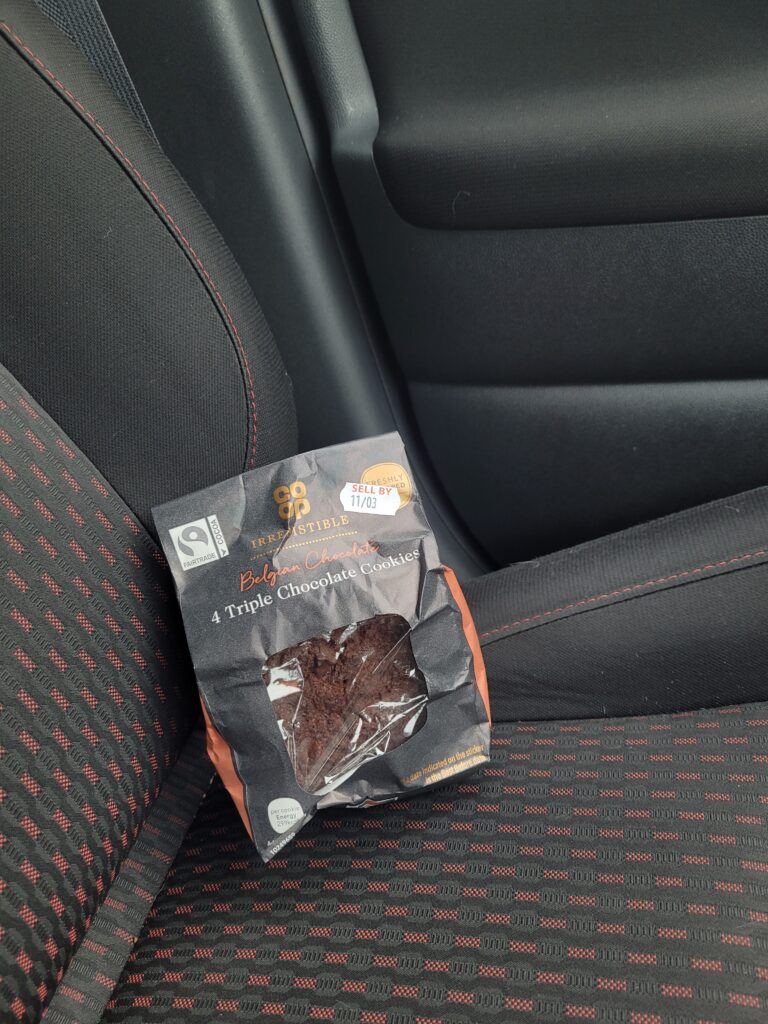
I drove back to college with my lunch. At least I had the time between eating that and consuming my medication before I had to cross the freshly-baked bridge. I managed to avoid the call of the cookie long enough for my second dose to kick in, at which point I lost all desire to eat the biscuits. At one point, I spared a thought for them in my bag and felt a bit sick at their presence, like an uninvited stowaway. I lasted until almost 7pm that night before I gave in to temptation. I’m writing this currently, having consumed the bag, feeling a bit gutted I couldn’t resist them more. If nothing else, methylphenidate is allowing me to see my emotional connection to ‘treats’ in a way that is genuinely upsetting – like this has been a weight around me for the majority of my life and I am only now experiencing the mental clarity of a healthier way of living. Again, this is not written in service of demonising sugar, I simply and uncompromisingly eat too much of it, yet feel almost powerless to cut down due to mental and physical sensations that pull me into it.
Reflections on Altering Perceptions
When beginning this new regime of medication, I had anticipated a strong physiological response. I had thought, I’m either going to find myself uncomfortable in my skin at the benefit of feeling comfortable in my brain, or purely uncomfortable. That said, I had also found myself nervous of, ‘what if this medication is the only way I can feel normal?’ Essentially, what if the medication works too well? The truth is more complex and the impact of the medication has manifested in ways that I truly hadn’t expected. The reality also is that, at this stage, who I am off and on medication is the same person. Medication has not changed me fundamentally, though it has made previously difficult, if not outright impossible, decisions now accessible. Perhaps I currently sit on the divide between the medication being effective, but feeling more like a supplement. If I go up a higher dose, might that represent better outcomes but medication as a necessity – that who I am without it simply isn’t who I want to be anymore?
I’m going to consult with my ADHD nurse to explore these reflections and what an appropriate path forward is. I didn’t want to trial different meds, truthfully. I just wanted to be prescribed and be done. However, that’s not going to be the reality, it would seem. I can, unequivocally, report that the medication has been beneficial – just in ways that weren’t actually intended.